Amygdalin — Premium Cyanogenic Glycoside for Pharmaceutical Applications
Amygdalin / Vitamin B17 CAS: 29883-15-6 | Molecular Formula: C₂₀H₂₇NO₁₁ | MW: 457.43
Purity: ≥98% (HPLC) | MOQ: 1 kg | Supply Capacity: 500 kg/month | Lead Time: 10–20 Days
Lorem ipsum dolor sit amet, consectetur adipiscing elit. Ut elit tellus, luctus nec ullamcorper mattis, pulvinar dapibus leo.
Amygdalin is a naturally occurring cyanogenic glycoside found in the seeds of Rosaceae plants — primarily bitter apricot kernels (Prunus armeniaca), bitter almonds, peach seeds, and apple seeds. With a 4,000-year history in traditional medicine, amygdalin remains an important active pharmaceutical ingredient for respiratory formulations in Traditional Chinese Medicine (TCM) and continues to be studied for its pharmacological properties.
Chemical Identity
Grade A — Pharmaceutical Grade (API for TCM Formulations)
| Parameter | Specification |
| Purity (HPLC) | ≥98.0% |
| Single Impurity | ≤0.5% |
| Total Impurities | ≤1.0% |
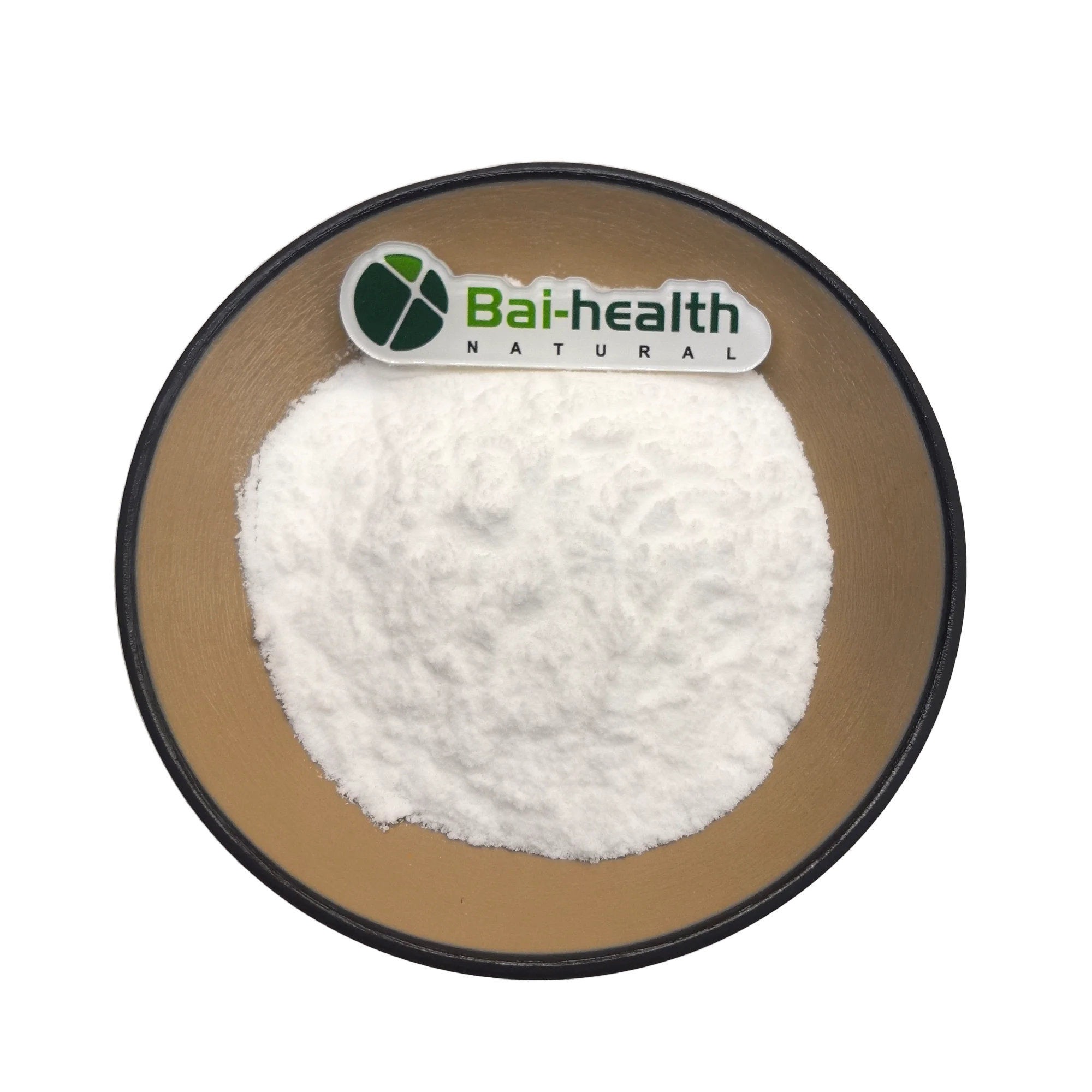
| Appearance | White to off-white crystalline powder |
| Loss on Drying | ≤1.0% |
| Residue on Ignition | ≤0.1% |
| Heavy Metals | Pb < 2 ppm, As < 1 ppm, Hg < 0.2 ppm, Cd < 0.3 ppm |
| Residual HCN | <10 ppm (critical safety parameter) |
| Microbial | Total plate count < 100 CFU/g; E. coli, Salmonella absent |
| Specific Rotation | [α]D²⁰ = –38.5° to –42° |
| Standard | Chinese Pharmacopoeia (ChP) / LS/T 6151-2024 |
| Packaging | 100 g / 500 g / 1 kg aluminum-foil sealed bags, double PE inner, in amber glass bottles |
| Shelf Life | 24 months (sealed, 2–10°C, protected from light and moisture) |
Parameter |
Detail |
| Chemical Name | (R)-Mandelonitrile β-D-gentiobioside |
| Common Names | Amygdalin, 苦杏仁苷, 扁桃苷, 苦杏仁甙, Vitamin B17, Laetrile |
| CAS Number | 29883-15-6 |
| Molecular Formula | C₂₀H₂₇NO₁₁ |
| Molecular Weight | 457.43 |
| PubChem CID | 6187 |
| Chemical Class | Cyanogenic glycoside (cyanohydrin β-glycoside) |
| Structure | Gentiobiose (disaccharide) + (R)-mandelonitrile aglycone |
| Appearance | White to off-white crystalline powder |
| Melting Point | 223–226°C (anhydrous); 200°C (trihydrate) |
| Specific Rotation | [α]D²⁰ = –38.5° to –42° (c=2, H₂O) |
| Solubility | Freely soluble in boiling water; slightly soluble in cold water and ethanol; insoluble in ether and chloroform |
| Plant Source | Semen Armeniacae Amarum (苦杏仁) — seeds of Prunus armeniaca L. |
| Natural Content | ~3% in bitter apricot kernels; 0.05–3% in related Rosaceae seeds |
Lorem ipsum dolor sit amet, consectetur adipiscing elit. Ut elit tellus, luctus nec ullamcorper mattis, pulvinar dapibus leo.
常见问题 / Frequently Asked Questions
Q1:OPC原料和花青素有什么区别?/ What is the difference between OPC and anthocyanins?
OPC(原花青素)是无色的多酚类化合物,在酸性条件下加热不会转化为花青素;花青素是水溶性天然色素,呈红/紫/蓝色,两者结构不同、功效侧重不同,不可混淆。
OPC (proanthocyanidins) are colorless polyphenolic compounds that do not convert to anthocyanins when heated under acidic conditions. Anthocyanins are water-soluble natural pigments that appear red, purple, or blue. The two differ in structure and functional focus and should not be confused.
Q2:OPC原料的保质期是多久?/ What is the shelf life of OPC raw material?
未开封的OPC粉末原料在密封、避光、干燥条件下保质期通常为24个月;开封后建议尽快使用,避免吸潮氧化。
Unopened OPC powder, stored under sealed, light-protected, and dry conditions, typically has a shelf life of 24 months. After opening, use promptly to avoid moisture absorption and oxidation.
Q3:OPC原料可以用于透明饮料吗?/ Can OPC be used in transparent beverages?
Yes, but the dosage should be controlled (≤50 mg/100 mL) to avoid a slight pink tint. If the product requires complete colorlessness, consider using microencapsulated OPC or adjusting the formulation’s color profile.
Q4:OPC原料和矿物质可以同时添加在同一个配方中吗?/ Can OPC be combined with minerals in the same formula?
不建议直接共混,OPC会与铁、钙等矿物质形成络合物,影响两者的吸收效率;如需搭配,建议分开发服或采用包埋技术隔离。
Direct blending is not recommended, as OPC can form complexes with iron, calcium, and other minerals, reducing the absorption efficiency of both. If combination is desired, consider separate administration or encapsulation technology for isolation.
Q5:出口欧美市场的OPC原料需要哪些合规认证?/ What compliance certifications are needed for OPC exports to the US and EU?
出口美国需符合GRAS认证要求,出口欧盟需符合Novel Food法规要求,同时需提供COA、MSDS、非转基因证明、Kosher/Halal认证等文件。
Exports to the US must comply with GRAS requirements; exports to the EU must meet Novel Food regulations. Additionally, suppliers should provide COA, MSDS, non-GMO certificates, and Kosher/Halal certifications.